Electricity is one of the most essential utilities in modern homes, businesses, and industrial facilities, powering everything from lighting and appliances to complex machinery. While it offers convenience and functionality, electricity can also pose serious hazards if not handled properly. Improper installation, outdated wiring, or non-compliance with electrical codes can lead to fires, equipment damage, and even injury or loss of life. This is why licensed electricians play a crucial role in ensuring both safety and code compliance in every electrical project. By understanding their responsibilities, techniques, and the standards they follow, property owners and managers can appreciate the value of professional expertise in protecting people, property, and investments.
Licensed Electrician Jacksonville NC are trained professionals who have completed rigorous education, apprenticeship programs, and certification exams to verify their skills. Unlike untrained individuals or unlicensed contractors, licensed electricians possess comprehensive knowledge of electrical theory, system design, installation techniques, and safety protocols. They understand the complexities of modern electrical systems, including residential wiring, commercial circuits, and industrial power distribution, and can accurately assess the unique requirements of each project. This expertise is critical in avoiding mistakes that could result in hazards, equipment failure, or legal penalties.
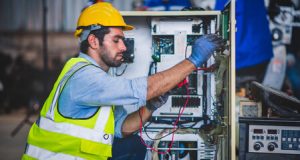
Safety is the most fundamental responsibility of licensed electricians. They ensure that all wiring, devices, and panels are installed according to strict safety standards to prevent shocks, fires, and other hazards. This includes selecting the correct wire gauge for the circuit load, properly grounding systems, and using high-quality materials that meet durability and performance standards. Electricians also incorporate protective devices such as circuit breakers, fuses, ground fault circuit interrupters (GFCIs), and arc fault circuit interrupters (AFCIs) to mitigate potential risks. These devices prevent overloads, detect electrical faults, and cut off power to reduce the chance of accidents.
Code compliance is closely tied to safety. Electrical codes are established by national and local regulatory agencies to ensure safe and consistent installation practices. Licensed electricians are well-versed in these codes, which cover every aspect of electrical work, from wiring methods and panel specifications to outlet spacing and grounding requirements. Compliance with these standards is legally required in most jurisdictions, and failure to follow them can result in fines, voided insurance claims, or liability in the event of an accident. By adhering to these codes, electricians guarantee that electrical systems are safe, reliable, and capable of handling the intended load.
Proper installation and system design are core areas where licensed electricians demonstrate their expertise. For new construction or renovation projects, electricians evaluate the property’s electrical demands and design a system that accommodates current and future needs. This involves calculating loads, determining circuit layouts, selecting appropriate panels, and planning for potential expansion. A well-designed system prevents overloads, voltage fluctuations, and equipment malfunctions, while also making it easier to maintain and upgrade in the future.
Licensed electricians also conduct thorough inspections before, during, and after installation. These inspections are essential for identifying potential hazards and ensuring compliance with safety standards. For example, they check for loose connections, damaged insulation, improper grounding, or miswired outlets. They also verify that circuit breakers are correctly rated and that protective devices function properly. Regular inspections reduce the risk of accidents, extend the lifespan of electrical systems, and provide property owners with peace of mind.
In addition to installation, licensed electricians are critical in maintaining and upgrading existing electrical systems. Over time, wiring can deteriorate, panels may become outdated, and devices can fail. Electricians perform routine maintenance to identify and repair worn components, replace faulty wiring, and upgrade systems to meet modern electrical demands. These upgrades often include the installation of energy-efficient lighting, smart devices, or surge protection systems, all of which require knowledge of safety standards and code compliance to implement correctly.
There are several key ways licensed electricians ensure safety and code compliance:
- Adherence to National and Local Electrical Codes – Licensed professionals are trained to follow established safety codes, which govern everything from wiring installation to circuit protection, ensuring all work meets legal and safety standards.
- Use of Proper Materials and Equipment – High-quality, correctly rated wires, breakers, and devices reduce the risk of electrical failures and hazards.
- Installation of Protective Devices – Circuit breakers, GFCIs, and AFCIs are properly installed to prevent shocks, overloads, and fire risks.
- System Design and Load Management – Electricians assess current and future electrical demands to ensure safe and efficient distribution of power.
- Inspection and Testing – All installations and upgrades are tested for compliance and functionality before the system is put into operation.
Beyond these technical measures, licensed electricians also contribute to workplace and home safety by educating property owners and staff on safe electrical practices. This includes guidance on avoiding overloaded outlets, recognizing early signs of electrical problems, and knowing when to call a professional. Education complements installation and maintenance, creating a safer overall environment.
Commercial properties, in particular, benefit significantly from the expertise of licensed electricians. Businesses often rely on complex electrical systems to operate lighting, HVAC, office technology, security systems, and industrial machinery. Any failure in the system can result in downtime, financial loss, or safety hazards. Licensed electricians not only ensure that these systems are properly installed and code-compliant but also provide solutions such as backup power integration, surge protection, and monitoring systems to minimize operational risks.
Energy efficiency is another area where licensed electricians play an important role. Proper installation and maintenance of energy-efficient systems, including LED lighting, programmable HVAC controls, and smart energy management solutions, require professional expertise. Electricians ensure that these systems operate correctly, deliver the expected energy savings, and do not compromise safety or code compliance. By optimizing energy use, businesses and homeowners can reduce operating costs while maintaining safe, reliable power.
Preventive maintenance is a cornerstone of safe electrical practices. Licensed electricians perform routine checks to identify early signs of wear, such as loose connections, overheating components, or flickering lights. They use specialized tools, including thermal imaging cameras, voltage testers, and circuit analyzers, to detect hidden issues before they escalate. Timely maintenance reduces the likelihood of fires, electrical shocks, and equipment damage, making it a cost-effective investment in safety and system longevity.
Licensing also ensures accountability. Professional electricians are required to maintain certifications, stay updated on evolving codes, and follow industry best practices. This level of oversight provides property owners with assurance that the work performed meets high standards of safety and quality. In contrast, unlicensed individuals may lack the knowledge, skills, or legal responsibility to guarantee safe and compliant installations.
There are several benefits to hiring licensed electricians for any electrical project:
- Enhanced Safety – Proper installation and adherence to codes reduce the risk of shocks, fires, and accidents.
- Regulatory Compliance – Licensed professionals ensure that all work meets national and local safety standards.
- Reliable Performance – Proper wiring, protective devices, and load management improve system reliability.
- Cost Savings – Efficient systems, preventive maintenance, and reduced risk of damage minimize long-term expenses.
- Peace of Mind – Property owners can trust that electrical systems are safe, functional, and professionally maintained.
For residential properties, licensed electricians ensure that homes meet modern safety standards while accommodating increasing power demands. This includes upgrading old wiring, installing protective devices, and ensuring proper grounding. In commercial and industrial settings, electricians provide more complex solutions, including high-capacity panels, surge protection, emergency power systems, and energy-efficient installations. In all cases, the professional expertise of a licensed electrician ensures that electrical systems are safe, efficient, and code-compliant.
In conclusion, licensed electricians play a vital role in maintaining electrical safety and compliance. Their training, knowledge, and professional standards ensure that electrical systems are installed correctly, operate efficiently, and adhere to regulatory requirements. By providing proper system design, installation, protective measures, and preventive maintenance, licensed electricians safeguard people, property, and equipment.
Property owners and managers who prioritize hiring licensed professionals gain numerous benefits, including enhanced safety, code compliance, reliable system performance, and reduced long-term costs. In an environment where electricity is integral to daily operations, the expertise of licensed electricians is not just a convenience—it is a necessity. From residential homes to commercial facilities, investing in professional electrical services ensures that systems function reliably, efficiently, and safely for years to come.